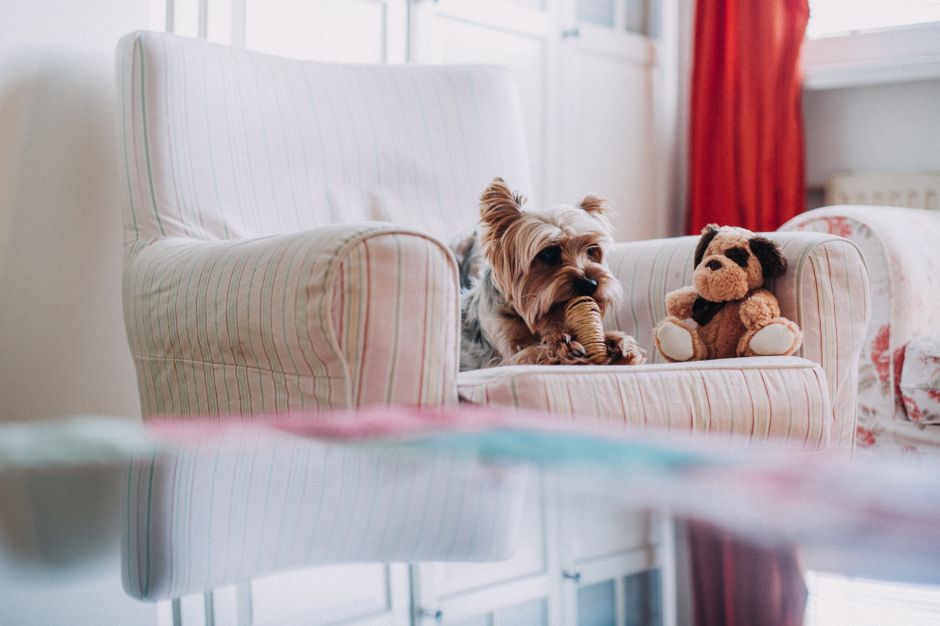
Bedfont Lakes upholstery cleaning after pet accidents: a practical guide for cleaner, fresher furniture
If you have ever looked at a sofa cushion or armchair after a pet accident and thought, "Right, now what?", you are in the right place. Bedfont Lakes upholstery cleaning after pet accidents is not just about removing a visible mark. It is about dealing with moisture, smell, bacteria, and the risk of a stain setting deeper into the fabric or filling. Truth be told, the first hour matters a lot more than most people realise.
Whether it is a puppy toilet-training slip, an older pet having a bad day, or a sudden accident on a favourite reading chair, the aim is the same: clean it properly without damaging the upholstery. In this guide, you will learn how the process works, what to do straight away, what not to do, and when it makes sense to bring in a professional upholstery cleaning service. Along the way, we will keep it practical, local, and genuinely useful.
Table of Contents
- Why Bedfont Lakes upholstery cleaning after pet accidents matters
- How Bedfont Lakes upholstery cleaning after pet accidents works
- Key benefits and practical advantages
- Who this is for and when it makes sense
- Step-by-step guidance
- Expert tips for better results
- Common mistakes to avoid
- Tools, resources and recommendations
- Law, compliance, standards, or best practice
- Options, methods, or comparison table
- Case study or real-world example
- Practical checklist
- Conclusion
- Frequently asked questions
Why Bedfont Lakes upholstery cleaning after pet accidents matters
Pet accidents on upholstery are awkward, yes, but they are also time-sensitive. Fabric and cushioning can absorb liquid quickly, especially on woven materials, textured seating, or deeper padded furniture. Once moisture moves beyond the surface, a simple wipe is rarely enough. You may remove the top mark and still leave behind the source of the smell underneath. That is the bit people notice later, usually when the room has warmed up a bit and the odour reappears.
In Bedfont Lakes homes, where furniture is used hard and often doubles as family space, pet beds, and guest seating, a proper clean helps protect both comfort and value. It can also reduce the chance of repeat accidents in the same spot, because lingering scent can act like a signal to pets. Not ideal. Not remotely.
There is also a fabric-safety angle. Some upholstery responds well to moisture-based cleaning; some does not. Delicate fibres, natural materials, dyed fabrics, or glued backing layers may need a more careful approach. A rushed DIY attempt can set a stain, distort the pile, or leave tide marks. That is why a calm, informed response matters as much as the final clean.
For households that want a fuller upholstery refresh beyond one accident, it often helps to look at broader upholstery cleaning as part of a routine care plan. And if the accident has also affected a rug or sofa cushion cover, related services such as pet stain and odour removal and stain removal may be relevant too.
Expert summary: The fastest way to lose control of a pet accident is to scrub too hard, use too much liquid, or leave the underlying odour untreated. A measured response usually saves the fabric and the nerves.
How Bedfont Lakes upholstery cleaning after pet accidents works
The exact method depends on the fabric type, the age of the accident, and whether the issue is urine, vomit, faecal matter, or a mix of everything pet ownership can occasionally throw at you. In most cases, the process starts with inspection. A good cleaner will look at the material label, the stain pattern, the backing, and how far the spill has travelled.
From there, cleaning usually follows a sequence: remove residue, treat the stain, break down the organic source, extract moisture, and neutralise remaining odour. If the upholstery can tolerate it, controlled hot water extraction or low-moisture cleaning may be used. If the fabric is more sensitive, solvent-safe or very targeted spotting methods may be safer.
For a sofa or armchair, the cleaner will often work section by section rather than soaking the whole item. That matters. Over-wetting is one of the fastest ways to end up with water rings, slow drying, and a smell that comes back a day later. Professional steam-based methods can be helpful on the right fabrics, but they are not a one-size-fits-all fix. The phrase "steam cleans everything" sounds nice. It is not true, unfortunately.
Drying also matters more than people think. Airflow, open windows when appropriate, and a well-controlled finishing stage help stop damp from settling into the filling. In some homes, the difference between a decent result and a great one is simply how carefully the drying is handled.
If the accident has gone into a sofa seat or deep upholstery, a specialist approach similar to sofa cleaning may be the most effective route. For heavier organic contamination, some cleaners will pair the treatment with a broader steam carpet cleaning-style extraction process, though only where fabric suitability allows it.
Key benefits and practical advantages
The obvious benefit is a cleaner piece of furniture. But the practical value goes further than that.
- Odour reduction: removes trapped smells rather than masking them.
- Better fabric appearance: helps lift visible staining and spotting.
- Improved hygiene: addresses organic residue that can linger in fibres and padding.
- Longer furniture life: reduces the chance of permanent staining or fibre damage.
- Less repeat marking: removing scent cues may discourage pets from returning to the same area.
- More confidence at home: you stop worrying about guests noticing that faint smell near the sofa.
There is also a mental benefit, if we are being honest. Pet accidents can make a room feel a bit off until they are dealt with. Once the upholstery is dry and fresh again, the whole space feels reset. It sounds minor, but if you live with pets, you know exactly what I mean.
For homeowners comparing different types of care, upholstery cleaning after accidents can be more focused than a general refresh, while still being combined with broader fabric care where needed. That is especially useful for busy households that want one visit to solve the obvious problem and give the rest of the room a lift too.
Who this is for and when it makes sense
This service makes sense for any Bedfont Lakes resident dealing with pet-related fabric damage, but some situations come up more often than others.
- Puppy training stages: frequent minor accidents on sofas, footstools, or dining chairs.
- Older pets: incontinence, mobility issues, or occasional accidents after sleep.
- Multi-pet homes: more traffic, more scent layering, more chance of repeat marking.
- Rental properties: where furniture needs to be presentable and hygienic for the next occupant.
- Family homes with soft furnishings: everyday life, basically, with all its spills and surprises.
It can also be a sensible choice if you have already tried a home cleaner and the stain is still faintly visible or the smell keeps returning. That usually means the surface has been treated, but the source was not fully removed. A quick freshen-up may be enough for a very recent incident, but older marks often need proper treatment.
In some households, a pet accident is not just a one-off. It is part of a wider cleaning cycle. In those cases, it may be worth combining upholstery care with related services such as rug cleaning or mattress cleaning if the same pet has affected other soft furnishings around the home.
Step-by-step guidance
Here is the simplest practical way to think about upholstery cleaning after a pet accident.
- Act quickly. Blot the area gently with absorbent paper or a clean white cloth. Do not press so hard that you drive the liquid deeper.
- Remove solids carefully. If there is any solid waste, lift it away first. Use gloves. No drama, just sensible hygiene.
- Check the fabric label. Look for care codes or manufacturer guidance if available. If the item is delicate, avoid random cleaners.
- Test a hidden spot. Any product used on the visible area should be tested in a small, inconspicuous place.
- Treat the stain lightly. Use a suitable fabric-safe solution, applied sparingly. Gentle is better than aggressive here.
- Blot again. Work from the outside of the stain inward to avoid spreading the mark.
- Control the odour source. If the smell remains after surface cleaning, the padding may need deeper treatment.
- Dry thoroughly. Use airflow and time. Rushing this step is where many DIY efforts go sideways.
- Escalate if needed. If the stain is old, large, or on sensitive fabric, arrange a professional assessment.
If the cushion covers are removable and the care label allows it, cleaning them separately can help. But never assume the cover and the internal cushion should be treated the same way. They often should not.
A useful rule of thumb: if you can still smell the accident once the surface looks clean, the job is not finished yet.
Expert tips for better results
After dealing with a lot of pet-related upholstery jobs, a few patterns become very clear.
- Blot before you clean. Removing liquid first makes everything that follows easier.
- Use less product than you think. More cleaner does not mean better results. Sometimes it means sticky residue.
- Keep your strokes controlled. Scrubbing can rough up fibres or spread the stain.
- Think in layers. Surface stain, odour in the fabric, odour in the filling. They are not always the same problem.
- Dry with purpose. Open a window if the weather is suitable, or improve air movement indoors.
- Watch for colour loss. If the fabric lightens unevenly, stop and reassess.
One small but useful tip: if a pet accident happened on a cushion that sits in sunlight, check whether the stain is more obvious from fading around it. That can change the best cleaning method. The stain may not be the only thing your eye is reacting to.
And yes, sometimes pets return to the same spot because they can still smell it long after you cannot. Pets are annoyingly good detectives like that.
Common mistakes to avoid
Most problems with pet accident upholstery cleaning come from trying to fix the issue too fast. Understandable, but still risky.
- Scrubbing hard: pushes waste deeper and can damage fabric fibres.
- Using too much water: soaks the padding and delays drying.
- Using mixed household chemicals: this can create unwanted reactions or leave stubborn residues.
- Ignoring the underlayer: the visible stain may be smaller than the contamination below.
- Drying too slowly: lingering damp can cause odour and, in some cases, secondary damage.
- Assuming all upholstery is the same: velvet, wool blends, synthetics, and leather-feel finishes each need different treatment.
Another mistake is waiting too long. A fresh accident is usually much more manageable than a set-in one. If the stain has had time to oxidise, dry, and settle, cleaning becomes more involved. Not impossible, just harder.
Sometimes people also keep reapplying the same product because they cannot tell whether it is helping. That can make the area tacky and attract more dirt later. If you are unsure, stop there and get it looked at properly.
Tools, resources and recommendations
You do not need a cupboard full of products to handle the first response well. In fact, simplicity is often safer.
- White absorbent cloths or paper towels: useful for blotting without transferring dye.
- Disposable gloves: basic hygiene, especially with organic mess.
- Soft brush: for gently lifting fibres once the area is dry, if appropriate.
- Fabric-safe stain treatment: only if compatible with the upholstery type.
- Good airflow: often overlooked, but crucial for drying.
If the accident has left persistent marks or a smell that won't shift, professional guidance is usually the most efficient next move. A company that offers pet stain and odour removal can usually assess whether the issue is on the surface, deeper in the fibres, or down in the filling. That distinction matters a lot.
For people comparing service options, it is sensible to ask about fabric suitability, drying times, and how the treatment will be adapted to the item. The best cleaners do not promise a magic wand. They explain the limits first, which is a good sign.
Law, compliance, standards, or best practice
For most households, the key concern is not legal complexity but safe and responsible cleaning. Still, there are a few UK best-practice points worth keeping in mind.
First, if you are using chemicals at home or on a business property, they should be handled according to the product instructions and with appropriate care. That sounds obvious, but people do sometimes mix products or apply them to unsuitable materials. Best practice is to treat labels seriously, test on hidden areas, and avoid improvisation with strong cleaners.
Second, if pets are unwell or there is any biological contamination beyond a routine accident, extra hygiene precautions are sensible. Gloves, safe disposal of waste, and careful cleaning surfaces are all part of a decent routine. If the situation is more than a simple fabric stain, don't guess. That way lies regret.
For those using a cleaning company, it is reasonable to expect clear service terms, transparent pricing, and a sensible explanation of how the cleaning will be done. You can also look for information about health and safety practices, insurance and safety, and terms and conditions. Those pages help you understand how the business works, how issues are handled, and what standards you can expect before any work begins.
Good practice also includes respecting the fabric manufacturer's guidance where available. That is especially important for delicate upholstery, antique pieces, or items with special finishes. If a label warns against a method, treat that seriously.
Options, methods, or comparison table
Different situations call for different approaches. Here is a simple comparison to help you think it through.
| Method | Best for | Pros | Limitations |
|---|---|---|---|
| Immediate blotting and gentle spot treatment | Fresh, small accidents on robust fabric | Quick, low cost, useful first response | May not fully remove deep odour or older staining |
| Low-moisture professional upholstery cleaning | Delicate or moderately affected furniture | Controlled application, quicker drying | Not always enough for heavy contamination |
| Hot water extraction or steam-based treatment | Suitable fabrics with deeper staining | Good for deeper soil and residue | Must be matched to fabric type; over-wetting risk if mishandled |
| Targeted pet odour treatment | Stains that have a strong lingering smell | Addresses the source of the problem more directly | May need pairing with cleaning for visible marks |
For many homes, the most effective route is a combination: proper stain removal first, then targeted odour treatment, then careful drying. One step alone can be enough sometimes, but not always. A bit frustrating, I know.
Case study or real-world example
Here is a realistic example from a typical local household scenario. A family with a spaniel noticed repeated accidents on the same corner of a fabric sofa after the dog had been unwell. At first, they used a standard cleaner and a cloth. The visible mark faded, but the smell returned by the next evening, especially when the heating came on.
When the sofa was inspected properly, the issue turned out to be more than a surface stain. The liquid had reached the cushion filling, and the fabric itself had held onto the odour. A careful upholstery treatment was used with restrained moisture, followed by targeted odour work and a proper drying stage. The surface looked cleaner straight away, but the bigger change was the next morning: the room smelled normal again. That is often the real win.
What this example shows is simple. If the stain reappears, or the smell does, the job was probably only half done. That does not mean the furniture is ruined. It just means the right level of treatment has not been reached yet.
Practical checklist
Use this checklist when you are dealing with a pet accident on upholstery.
- Put on gloves if the accident is fresh or messy.
- Remove solids first, carefully and without spreading the problem.
- Blot liquids with a white absorbent cloth.
- Check the furniture care label if available.
- Test any cleaner on a hidden area first.
- Use only a small amount of suitable cleaning solution.
- Avoid scrubbing or soaking the fabric.
- Make sure the item dries fully.
- Check whether the smell remains after drying.
- Book a professional assessment if the stain is old, large, or sensitive.
If the same pet has damaged several soft furnishings, it may be worth considering a broader refresh that includes the main seating, the affected rug, and any other soft surface carrying scent. That tends to solve the problem more completely, rather than playing whack-a-mole with each new mark.
Get a free quote today and see how much you can save.
Conclusion
Bedfont Lakes upholstery cleaning after pet accidents is about more than making furniture look decent again. It is about restoring comfort, removing hidden odour, protecting fabric, and getting your home back to normal without guesswork. When handled quickly and carefully, many accidents can be dealt with effectively. When handled badly, they can linger longer than they should.
The safest path is usually simple: blot first, avoid over-wetting, respect the fabric, and get expert help when the stain or smell goes deeper than the surface. That approach saves time, reduces stress, and often gives a better finish than repeated DIY attempts. To be fair, it also stops the sofa from becoming the household's least glamorous secret.
If you want a broader refresh for other furnishings at the same time, options such as upholstery cleaning, sofa cleaning, and pet stain and odour removal can all support a cleaner, fresher home. And if you are comparing services, pages like pricing and quotes can help you understand what to expect before you book.
Sometimes the difference between a stressful mess and a manageable one is just the right next step. Take that step, and the room starts to feel like yours again.
Frequently Asked Questions
How quickly should I clean a pet accident on upholstery?
As soon as you can. Fresh accidents are much easier to manage because the liquid has not had time to sink deeply or dry into the fibres. Even a quick blotting pass can make a big difference.
Can I use vinegar or baking soda on my sofa?
Sometimes, but not always, and not on every fabric. These products can help in some situations, but they can also leave residues or affect colour and texture. Always test in a hidden area first, and avoid assuming one home remedy fits every upholstery type.
Why does the smell come back after I clean it?
Usually because the surface was cleaned, but the contamination underneath was not fully removed. Urine and other organic matter can seep into the filling, so the smell may return when the fabric warms up or humidity changes.
What is the safest way to dry upholstery after an accident?
Use airflow, patience, and minimal moisture in the first place. Open windows if conditions allow, improve ventilation, and avoid sitting on the item until it is fully dry. A damp cushion that stays damp is where problems tend to linger.
Will professional upholstery cleaning remove pet urine stains completely?
Often it improves them a great deal, but results depend on fabric type, stain age, and how far the liquid has travelled. Very old marks or colour damage may not disappear completely, even with good treatment.
Is steam cleaning safe for pet accidents on upholstery?
It can be, but only on fabrics that can handle it. Some upholstery responds well to controlled steam or hot water extraction; other materials do not. The key is matching the method to the fabric rather than forcing a standard process onto everything.
How do I know whether I need a professional cleaner?
If the stain is old, large, repeated, or still smells after your first clean, professional help is likely the sensible option. It is also worth getting support for delicate fabrics or furniture you do not want to risk damaging.
Can pet accidents damage the inside of a sofa as well as the fabric?
Yes. Liquid can move beyond the surface and affect the cushion filling, backing, or internal padding. That is one reason why a stain can look minor but still smell strong later.
What should I ask before booking upholstery cleaning?
Ask how the cleaner will treat your specific fabric, whether odour removal is included, how long drying may take, and whether the process is suitable for pet accidents rather than just general dirt. Clear answers are a good sign.
Can pet stains be cleaned from older furniture without ruining it?
Often, yes, but caution is essential. Older furniture can have delicate fibres, weakened stitching, or colour sensitivity. A careful test and a measured method are far better than a heavy-handed clean.
What if my pet has had several accidents in the same spot?
That usually means scent has remained in the area, even if you cannot smell it strongly. A deeper odour treatment is often needed, and in some cases the same area should be cleaned alongside other soft furnishings so the scent trail is reduced more fully.
Are there any home cleaning mistakes that make the stain worse?
Yes: scrubbing, over-wetting, mixing chemicals, and using the wrong product on the wrong fabric are the usual culprits. Those mistakes can spread the stain, weaken fibres, or leave residues that attract more dirt later.